
Myth vs Fact: Rape and sexual assault campaign
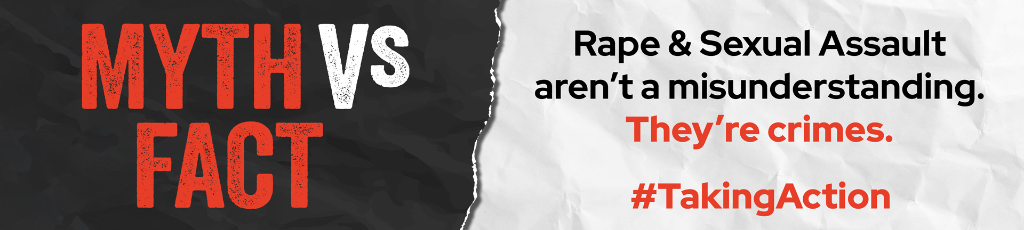
Merseyside Police, along with Police and Crime Commissioner Emily Spurrell, are ripping apart the dangerous myths about rape and serious sexual offences with a bold new campaign.
Our Myth vs Fact campaign tears down the lies that shield perpetrators and silence victims, and replaces them with the truth.
Shaped by conversations with victim-survivors and specialist support services, the hard-hitting campaign aims to tackle harmful misconceptions and challenge the attitudes that are used to excuse sexual violence, with a particular focus on engaging men as allies in prevention.
The campaign uses experiences and insights from victim-survivors to identify the most damaging myths and exposes the reality of sexual violence.
Rape and sexual assault aren't a misunderstanding. They're crimes. #takingaction
Key myths we’re busting
&w=1024&h=344&scale=both&mode=max)
&w=1024&h=344&scale=both&mode=max)
&w=1024&h=344&scale=both&mode=max)
&w=1024&h=344&scale=both&mode=max)
Myth: Victims provoke attacks by drinking or dressing a certain way.
Fact: Rape is never the victim’s fault. Consent must be freely given every time.
Myth: If someone didn’t fight back, it wasn’t rape.
Fact: Many victims experience a “freeze” response during trauma, making resistance impossible.
Myth: False rape allegations are common.
Fact: They are extremely rare, most victims never report at all.
Myth: It’s not rape if it’s your partner.
Fact: Rape is rape, regardless of relationship status.
Myth: Most sexual assaults are committed by strangers.
Fact: The majority of sexual assaults are carried out by someone the victim knows.
Myth: People lie about being sexually assaulted for attention or revenge.
Fact: False reports are extremely rare.
Myth: "She didn't fight back, so it wasn't really a sexual assault."
Fact: Freezing is a common trauma response.
Myth: "It's not rape. She's my wife."
Fact: Consent is always required.
False beliefs about rape and sexual violence can cause real harm
This is because:
- They give perpetrators excuses to offend.
- They make survivors feel ashamed and afraid to speak up.
- They stop people from getting help.
Understanding what sexual violence looks like
These myths also distort people’s understanding of what sexual violence really looks like.
Rape and serious sexual offences don’t always involve strangers, physical force, or visible injuries. They can happen to anyone, in relationships, between friends, or in situations where someone feels pressured, manipulated, or unable to say no.
Survivors may respond in many different ways:
- freezing
- complying
- remaining silent
- trying to placate the offender
None of these reactions mean consent was given.
Why we're challenging these myths
When we challenge these myths, we create a safer, more supportive environment.
- We help survivors feel believed and empowered.
- We hold perpetrators accountable for their actions.
- We make it easier for people to access justice and support.
What happens when you report a rape or sexual assault
Reporting can feel daunting, but you’re not alone. When you make a report, our specially trained officers will listen to you, explain your options, and support you every step of the way. You’ll be treated with dignity and respect, and your safety and wellbeing will be prioritised.
We have our own dedicated rape unit. This specialist Unity Team is committed to investigating and supporting survivors through the whole investigative process. It's so we can maximise the best possible chance of conviction while at the same time ensuring that you receive the highest level of help, advice and support.
Our dedicated Unity team
Our guide on reporting sexual offences
Whether you're thinking about reporting or just want to understand more, this guide is here to help you feel informed and empowered.
It outlines each step of the process, from making a report, to police investigation, to what support is available throughout. It also explains what happens when you report a rape or serious sexual offence.
We would urge anyone who has been raped or sexually assaulted, or who has been affected by sexual violence at any point in their lives to get in touch. There is no time limit for reporting this type of crime and we take every report seriously.
How to report
We would urge anyone who has been raped or sexually assaulted, or who has been affected by sexual violence at any point in their lives to get in touch. There is no time limit for reporting this type of crime and we take every report seriously.
You have choices of who you speak to. If you do not want police involvement, then we can help put you in touch with a specialist support service. Reporting an incident can help you positively move forward.
Report rape or sexual assault online
Further information
Find out more about rape, sexual assault and other sexual offences.
Get support if you've been a victim of rape or sexual assault.